Accelerate IT operations with AI-driven Automation
Automation in IT operations enable agility, resilience, and operational excellence, paving the way for organizations to adapt swiftly to changing environments, deliver superior services, and achieve sustainable success in today's dynamic digital landscape.
Driving Innovation with Next-gen Application Management
Next-generation application management fueled by AIOps is revolutionizing how organizations monitor performance, modernize applications, and manage the entire application lifecycle.
AI-powered Analytics: Transforming Data into Actionable Insights
AIOps and analytics foster a culture of continuous improvement by providing organizations with actionable intelligence to optimize workflows, enhance service quality, and align IT operations with business goals.
With customer expectations evolving faster than ever, businesses face an urgent imperative: to deliver not just service, but a meaningful and memorable experience at every touchpoint. Today’s customers crave speed, personalization, and relevance – qualities that many organizations struggle to deliver consistently.
This challenge calls for a powerful solution and that’s where Intelligent Automation (IA) steps in. More than just a trend, intelligent automation is revolutionizing customer engagement by blending artificial intelligence (AI) with automated processes to create interactions that are not only seamless but also anticipatory and genuinely human-centric.
However, harnessing this transformative potential isn’t just about adopting new technology. It requires a strategic, customer-first mindset – one that understands human behavior, respects individual preferences, and aligns with core business objectives.
In this blog, we’ll delve into how intelligent automation is redefining customer experience, why it’s crucial for future-ready organizations, and practical steps to implement it with impact.
Understanding Intelligent Automation: A New Paradigm for Customer Engagement
When most hear “automation,” they picture cold, rigid machines executing pre-programmed tasks often to the detriment of genuine interaction. Intelligent automation defies this stereotype by combining the power of AI with automation workflows, enabling systems to learn, adapt, and engage with customers in context-sensitive ways.
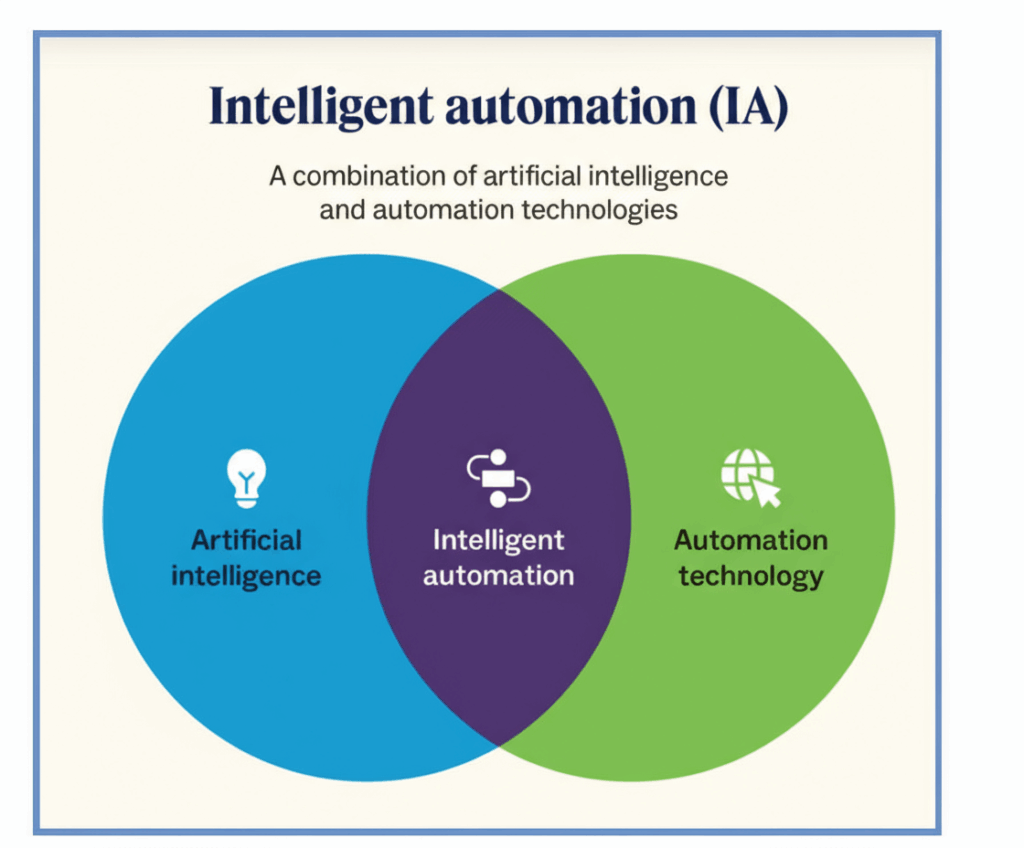
This means customer interactions are no longer scripted or transactional. Instead, they become dynamic conversations informed by real-time data, previous interactions, and predictive insights. For example, a support bot equipped with natural language processing (NLP) understands the nuances of customer queries, offering responses that feel natural and relevant.
Why is this important? Because customer experience thrives on relevance and responsiveness. Intelligent automation removes friction and anticipates needs, which builds trust and satisfaction.
The Role of Intelligent Automation in Elevating Customer Experience
The synergy of human touch and machine efficiency leads to a richer overall experience. Let’s break down the key ways intelligent automation revolutionizes CX:
1. Instant, Accurate Responses – Cutting Through the Noise
Nothing frustrates customers more than waiting endlessly for an answer or being passed between agents without resolution. Intelligent automation addresses this pain point head-on by providing immediate, precise information.
Take a telecommunications company, for example. A customer checking their data usage or billing details doesn’t want to navigate phone menus or wait for an agent. An intelligent automated assistant can instantly retrieve this information, guiding customers smoothly without delays.
The result? Reduced wait times, fewer repetitive queries, and a customer experience that feels both efficient and respectful of time.
2. Hyper-Personalized Interactions – Building Customer Loyalty
Customers expect companies to understand their unique preferences and behaviors. Intelligent automation achieves this by analyzing vast amounts of data – right from purchase history and browsing habits to customer sentiment and feedback.
Imagine an online retailer that not only remembers your past purchases but also anticipates what you might want next based on trends and personal style. Intelligent automation delivers personalized recommendations, tailored promotions, and even anticipatory support (like reminding you about warranty expiration).
This level of personalization fosters loyalty because customers feel valued as individuals, not just transactions.
3. Proactive Problem Solving – Staying One Step Ahead
Reactive customer service is no longer sufficient. Today’s market leaders use intelligent automation to identify potential issues before they escalate.
For instance, a software company may notice unusual spikes in error reports from certain users. Automated systems can flag these anomalies and initiate proactive outreach, offering solutions or updates without the customer needing to complain.
This proactive stance not only prevents frustration but signals that the company genuinely cares, enhancing brand reputation.
4. Seamless 24/7 Availability – Meeting Customers Wherever They Are
Customer journeys don’t follow business hours. Intelligent automation ensures brands remain accessible at all times, delivering consistent support across time zones.
Whether a traveler needs to reschedule a flight at midnight or a shopper wants to check order status early morning, automated assistants are ready to help without fatigue or delay.
This omnipresent availability enhances convenience and reinforces customer confidence.
5. Freeing Human Agents for Empathy and Complex Issues
Contrary to fears about automation replacing human jobs, intelligent automation augments human workers, taking over mundane tasks while enabling agents to focus on nuanced or emotionally charged interactions.
By pre-processing information, automating routine inquiries, and triaging cases, automation equips human agents to be more effective and empathetic—qualities machines cannot replicate.
Implementing Intelligent Automation: Best Practices for Maximum Impact
While the benefits are clear, deploying intelligent automation effectively requires careful planning and execution.
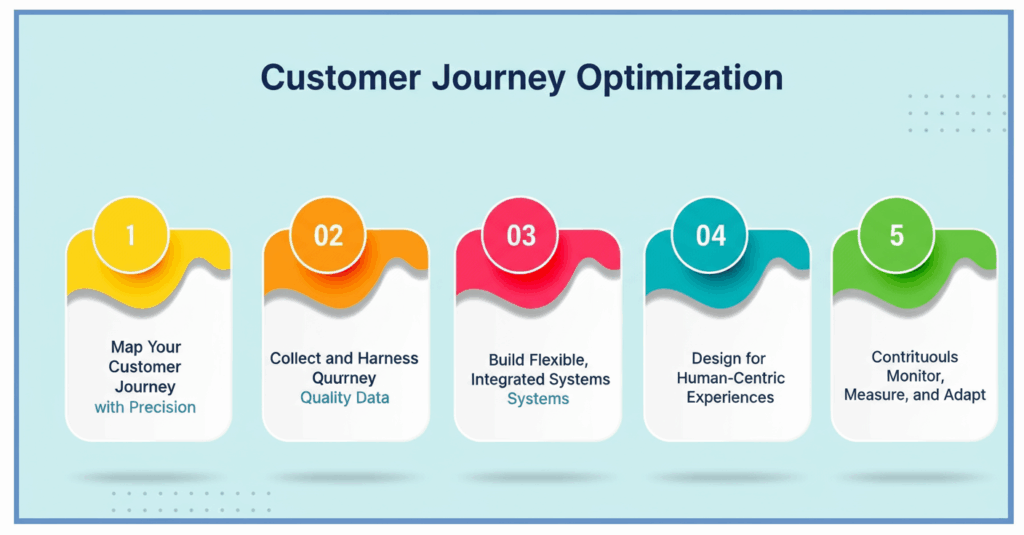
Step 1: Map Your Customer Journey with Precision
Start by understanding the exact moments where customers face friction or delay. Use data and feedback to identify these pain points whether it’s long hold times, repetitive queries, or inconsistent service quality.
This targeted approach ensures automation efforts address real problems, not just technology for technology’s sake.
Step 2: Collect and Harness Quality Data
Intelligent automation thrives on accurate, rich data. Therefore, businesses need to invest in tools and processes that capture comprehensive customer insights across touchpoints and channels.
You should move beyond basic demographics and focus on behavior patterns, preferences, sentiment, and context that enables automation to deliver nuanced and relevant experiences rather than generic replies.
Step 3: Build Flexible, Integrated Systems
Automation works best when it’s not siloed. Ensure your automation tools integrate smoothly with customer relationship management (CRM) systems, marketing platforms, analytics, and communication channels.
This creates a unified view of the customer and allows automation to pull from multiple data sources, delivering holistic, informed interactions.
Step 4: Design for Human-Centric Experiences
Technology should serve people, not replace them. As an organization, you should prioritize natural, conversational interfaces that feel intuitive and respectful of user emotions.
Use AI-powered chatbots or virtual assistants that can recognize frustration or confusion, and escalate to human agents seamlessly. This design philosophy balances efficiency with empathy.
Step 5: Continuously Monitor, Measure, and Adapt
Customer expectations are constantly evolving. To keep pace, your intelligent automation solutions can’t remain static, they need continuous refinement. It’s essential to monitor key performance indicators such as resolution times, customer satisfaction scores, and engagement rates regularly.
By leveraging these insights, you can fine-tune your workflows, keep your knowledge bases up to date, and improve your AI models ensuring your automation remains effective, relevant, and aligned with your customers’ needs.
Overcoming Common Challenges in Intelligent Automation Adoption
Even the most promising technologies encounter hurdles. While intelligent automation offers remarkable potential, organizations often face significant obstacles when introducing it into their customer experience strategies. These challenges, if left unaddressed, can slow down adoption or even erode customer trust. Here’s how to address some common pitfalls:
Resistance to Change
Change especially one involving technology can unsettle both employees and customers. People naturally gravitate towards familiar processes, making them wary of automated systems taking over tasks they once handled or interacted with personally. This skepticism can stall progress and create friction.
To bridge this gap, transparent communication is vital. Clearly explaining how automation will complement, not replace, human roles can ease anxieties. Equally important is offering hands-on training that equips employees with the skills and confidence to work alongside these new systems. When customers understand that automation is designed to enhance their experience not diminish it – they are more likely to embrace the shift.
Data Privacy Concerns
Intelligent automation thrives on data to function effectively, which makes safeguarding personal information paramount. Compliance with regulations like the GDPR is not just a legal checkbox rather it is the foundation of customer trust.
Hence, embedding stringent data governance practices such as anonymizing sensitive information, maintaining clear consent records, and regularly auditing data use ensures your automation respects privacy. This diligence not only prevents costly penalties but signals to customers that their data is handled responsibly.
Integration Complexity
No organization operates in a vacuum. Most rely on a patchwork of legacy systems, databases, and communication tools that weren’t necessarily designed to “talk” to each other. Hence, introducing intelligent automation into this mix can quickly become a daunting technical challenge.
The solution lies in collaborating with specialists like Quinnox who understand both your industry and technology stack. Opting for modular, scalable intelligent automation platforms like Qinfinite allows for gradual, manageable integration without disrupting existing operations. This phased approach reduces risk, ensures smoother implementation, and preserves the continuity customers expect.
Over-Automation
Automation’s efficiency is tempting, but it’s easy to fall into the trap of trying to mechanize every customer interaction. This approach can backfire if it strips away the warmth and understanding that only human agents provide.
Smart organizations identify specific scenarios where automation shines like handling FAQs, routine updates, or simple transactions while reserving complex, sensitive, or emotionally charged cases for humans. By thoughtfully blending technology with personal touchpoints, businesses can maintain trust and deliver a customer experience that feels both efficient and authentic.
The Road Ahead: Intelligent Automation as a Catalyst for CX Innovation
As AI technologies evolve, the scope of intelligent automation in customer experience will expand further. Emerging trends include:
- Emotion AI: Detecting customer moods to tailor responses dynamically.
- Voice-Activated Automation: Natural voice interfaces enabling frictionless interactions.
- Predictive Analytics: Anticipating needs before customers voice them.
- Hyper-Personalized Journeys: Real-time adaptation across channels for truly unique experiences.
Businesses that embrace these advances will not only satisfy but also delight customers, building lasting competitive advantages.
Final Thoughts: Making Intelligent Automation Work for Your Customers
Customer experience is the heartbeat of business success, and intelligent automation offers a powerful way to amplify it. By focusing on speed, personalization, proactivity, and seamless integration, organizations can create interactions that feel less like transactions and more like genuine connections.
But remember, technology is just one part of the equation. The ultimate goal is to use intelligent automation to empower people – customers and employees alike to engage meaningfully and efficiently.
At Quinnox, we help enterprises turn that goal into reality. Through our AI-powered automation platforms, frameworks, and deep domain expertise, we enable businesses to design customer journeys that are intelligent, intuitive, and future-ready. Whether you’re starting from scratch or scaling existing initiatives, Quinnox brings the right blend of strategy, technology, and execution to help you harness automation as a transformational force for redefining your customer experience initiatives.
FAQs About Elevating Customer Experience through Intelligent Automation
Intelligent automation blends smart technologies like AI and machine learning with automated workflows to create systems that don’t just follow instructions but can analyze, adapt, and respond in real-time. When applied to customer experience, it means interactions that feel more personal, quicker, and tailored. Instead of rigid scripts, customers get timely solutions and proactive support, making every touchpoint smoother and more satisfying.
Think of virtual assistants that not only answer basic questions but also understand the tone behind a customer’s message, escalating when needed. Another example is smart routing, where complex issues are automatically assigned to the right expert based on the problem and customer history – speeding up resolution without sacrificing quality.
Begin by pinpointing where customers face friction like long wait times or repetitive queries. Next, gather data to understand those moments deeply. Start small with automating simple, high-volume tasks such as FAQs or appointment reminders. From there, gradually layer in AI capabilities that personalize interactions and predict needs. Crucially, involve your teams early to ensure smooth adoption and blend automation with the human touch where it matters most.
Companies see faster response times, which reduces customer frustration and boosts satisfaction. Automation also frees up staff from repetitive work, allowing them to focus on more complex or emotional issues. Personalization improves, as systems learn and adapt to individual preferences over time. Proactively addressing problems before customers raise them builds trust and loyalty. Overall, businesses gain operational efficiency while delivering experiences that feel genuinely human.