Accelerate IT operations with AI-driven Automation
Automation in IT operations enable agility, resilience, and operational excellence, paving the way for organizations to adapt swiftly to changing environments, deliver superior services, and achieve sustainable success in today's dynamic digital landscape.
Driving Innovation with Next-gen Application Management
Next-generation application management fueled by AIOps is revolutionizing how organizations monitor performance, modernize applications, and manage the entire application lifecycle.
AI-powered Analytics: Transforming Data into Actionable Insights
AIOps and analytics foster a culture of continuous improvement by providing organizations with actionable intelligence to optimize workflows, enhance service quality, and align IT operations with business goals.
Data is the new currency of the digital economy. According to Forbes, the global datasphere is expected to reach 175 zettabytes by 2025 – and enterprises are struggling to harness it effectively. Organizations capture information from customer interactions, financial transactions, supply chains, IoT sensors, social media, and beyond. Yet, more than 80% of enterprise data remains siloed and underutilized, leading to inefficiencies and missed opportunities.
This is where Data Integration Techniques become essential. Data integration refers to the process of combining data from different sources into a unified view. The goal is to provide accurate, consistent, and reliable data that supports analytics, decision making, and operational efficiency. A well-executed data integration strategy not only improves insights but also ensures compliance, enhances customer experience, and drives innovation.
In this guide, we explore traditional and modern data integration methods, their advantages and limitations, and how businesses can select the right data integration methodology for their needs.
Key Data Integration Techniques & Methods
Enterprises today face a paradox: they’re generating more data than ever before, yet most of it is fragmented across different platforms. Without the right integration method, that data remains an untapped asset.
Let’s break down the major techniques businesses use to unify data, their strengths, challenges, and where they fit best.
1. ETL (Extract, Transform, Load)
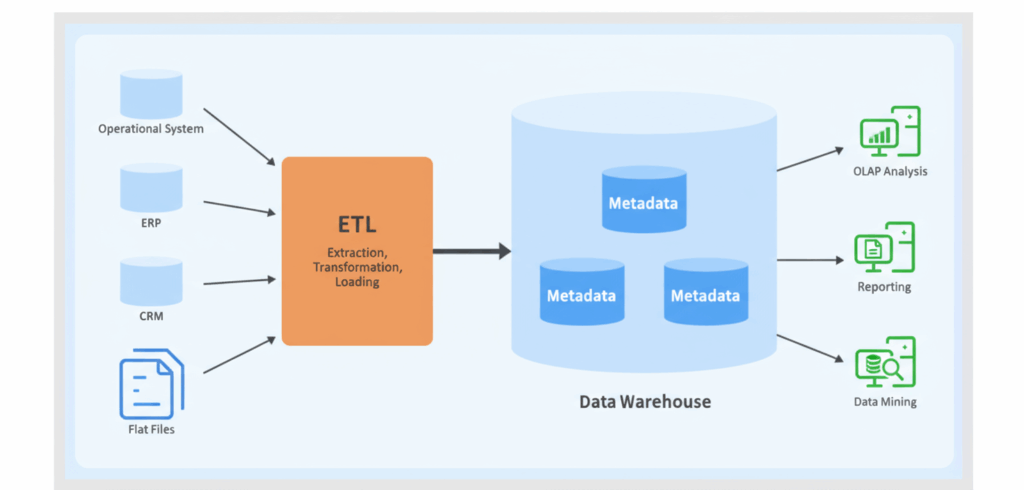
ETL is one of the most widely used methods of data integration. It involves extracting data from various sources, transforming it into a common format, and loading it into a target system such as a data warehouse.
Why it matters:
For decades, ETL pipelines have powered enterprise reporting and analytics. They remain critical for companies that rely heavily on structured data and historical reporting.
Pros:
- Ensures clean, standardized data ready for analytics
- Handles large-scale workloads reliably
- Best for structured sources like ERP, CRM, and finance systems
Cons:
- Can be resource-intensive and slow for big datasets
- Batch processing means it’s not real-time
- Requires dedicated infrastructure and expertise
Use Case Example: A retail chain integrates sales data from thousands of outlets, standardizes it, and loads it into a warehouse for trend analysis. This supports accurate forecasting and inventory planning.
Stat to Remember: According to Global Growth Insights, approximately 68% of large enterprises now rely on structured data warehousing powered by ETL pipelines to unify siloed datasets.
2. ELT (Extract, Load, Transform)
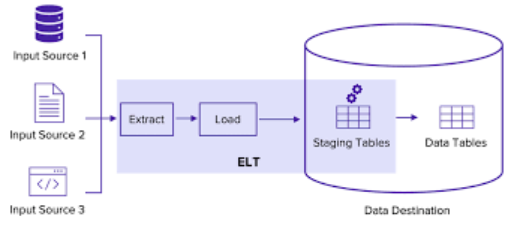
ELT reverses the order of ETL. Data is extracted and loaded into the target system first, and transformation happens within the database.
Why it matters:
With the rise of powerful cloud-native data warehouses like Snowflake and BigQuery, ELT has gained momentum because these platforms can handle massive raw datasets efficiently.
Pros:
- Faster processing thanks to cloud-native compute
- Reduces complexity by minimizing data movement
- Handles semi-structured and unstructured data (e.g., JSON, logs) well
Cons:
- Requires high-performance cloud systems
- Transformation logic is tied to the platform (less portable)
- Can become costly with large data volumes
Use Case Example: A fintech company streams terabytes of raw financial transaction data directly into Snowflake, then applies in-database SQL transformations for fraud analytics and regulatory reporting.
3. Batch Processing
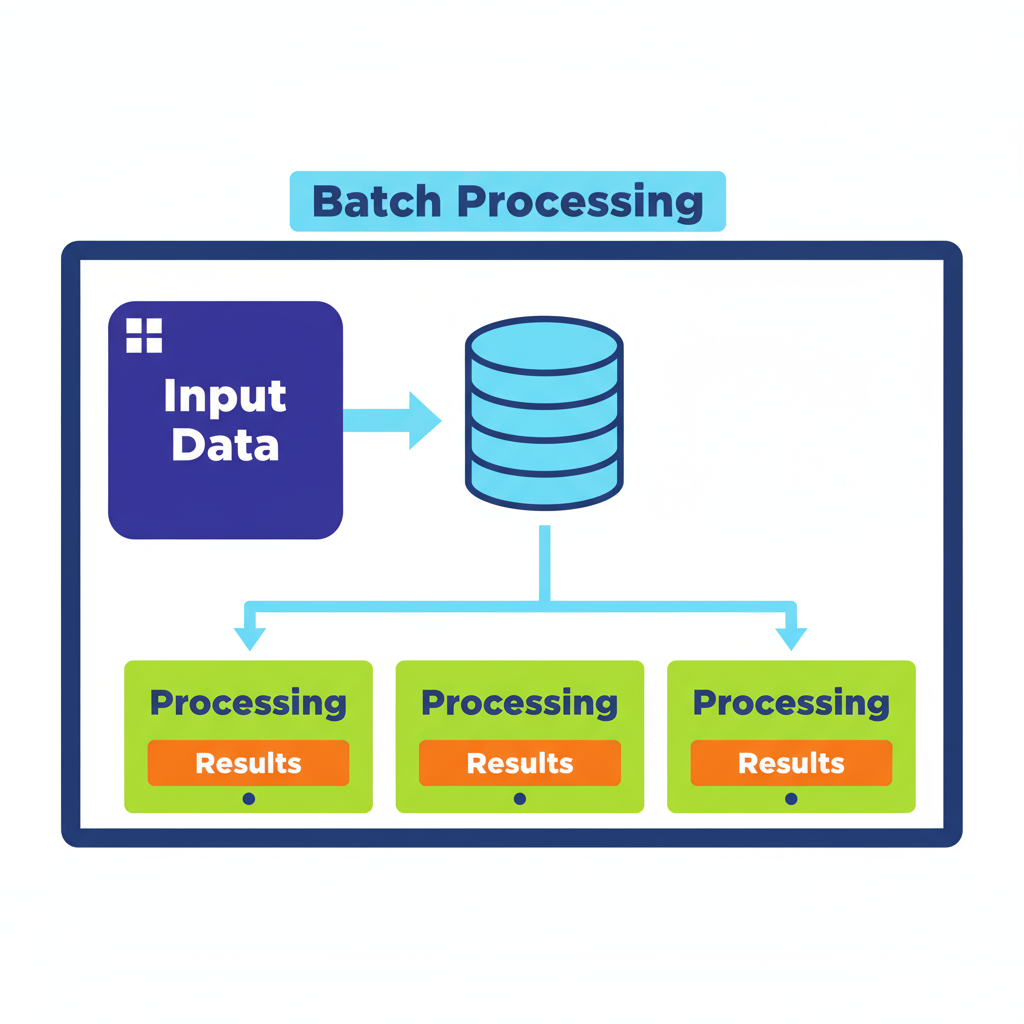
Instead of processing data continuously, batch processing groups large volumes of data and processes them at scheduled intervals (hourly, nightly, weekly).
Why it matters:
Batch is reliable, efficient, and widely used for operational reporting where real-time access isn’t critical.
Pros:
- Handles very high data volumes cost-effectively
- Works well for reconciliation, payroll, and end-of-day reporting
Cons:
- Data is delayed by hours or days
- Not suitable for real-time decision-making (e.g., fraud detection)
Use Case Example: Telecom companies run batch processes overnight to generate customer billing summaries.
4. Manual Data Integration
The simplest (and most outdated) form of integration, where users manually export, merge, and manage datasets – usually in spreadsheets.
Why it matters:
While error-prone and inefficient, manual integration persists in small organizations due to cost constraints and limited technical expertise.
Pros:
- Low cost for small businesses
- Useful for ad hoc tasks
Cons:
- Highly error prone
- Not scalable
- Time consuming
Use Case Example: A startup manually merges spreadsheets from marketing, sales, and customer support every quarter to track leads and performance.
5. API Based Integration
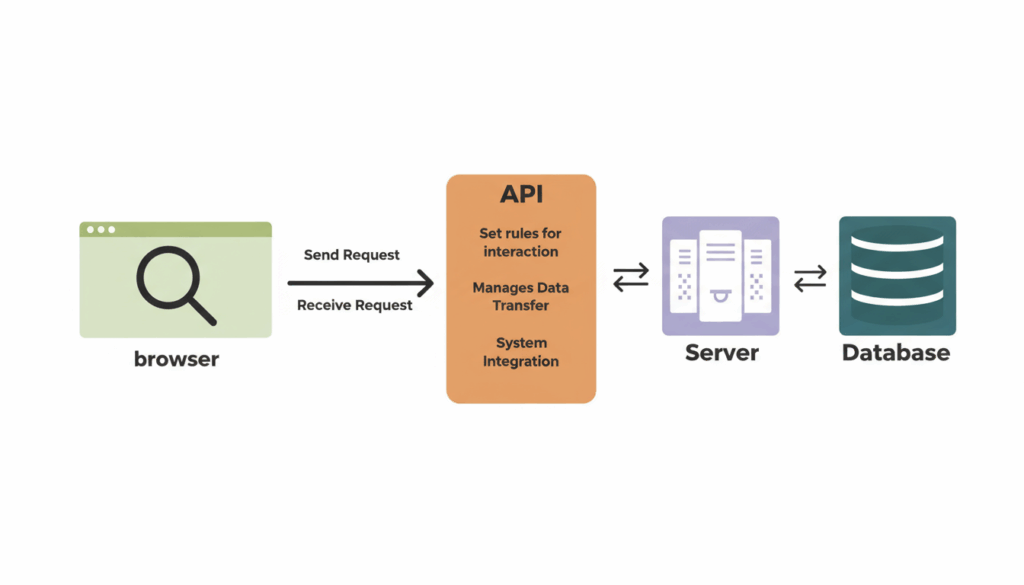
APIs (Application Programming Interfaces) connect applications programmatically, allowing them to share and update data in real time.
Why it matters:
APIs are the backbone of digital ecosystems, powering integrations across SaaS, mobile apps, and IoT platforms.
Pros:
- Real-time, event-driven integration
- Highly flexible and scalable
- Enables innovation through connected ecosystems
Cons:
- Requires technical expertise to implement/manage
- API downtime or rate limits can disrupt data flows
Use Case Example: An e-commerce business integrates Shopify, Amazon, and its logistics partner via APIs, ensuring product availability and shipping updates are always in sync.
6. Data Virtualization
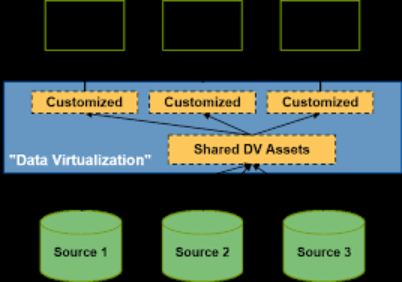
Source: ResearchGate
Data virtualization creates a unified view of data without physically moving it. It uses abstraction to query data from multiple sources.
Why it matters:
This approach reduces storage needs and enables instant access to distributed data — perfect for organizations with complex, siloed systems.
Pros:
- Real time access without duplication
- Reduces storage requirements
Cons:
- Performance depends on source systems
- Complex queries can slow down processing
Use Case Example: A healthcare provider uses virtualization to access patient records stored across different hospitals instantly.
7. Cloud Based Integration
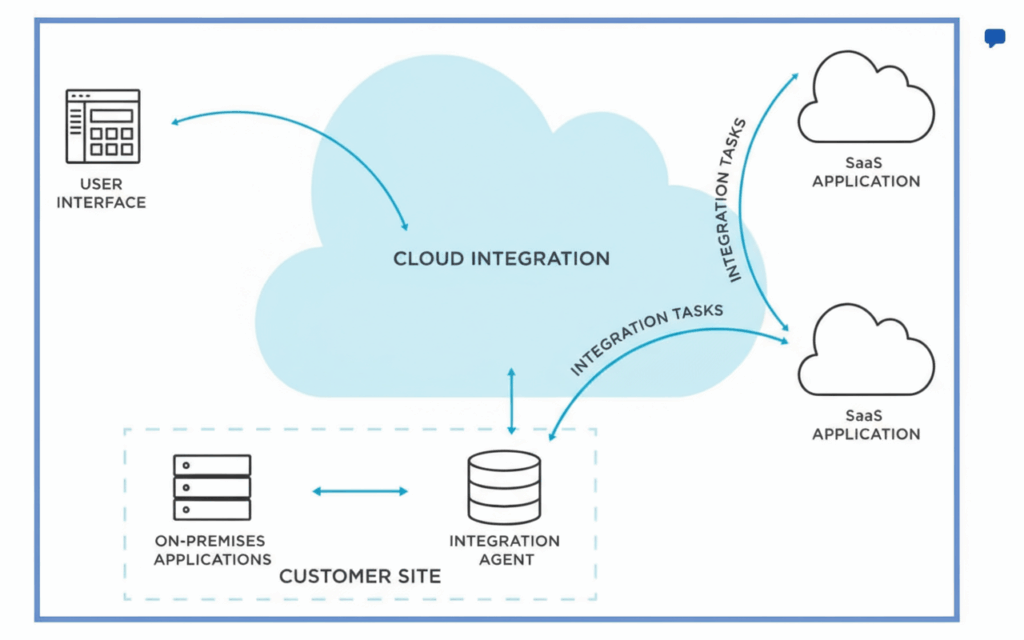
Connecting cloud services and applications (SaaS, PaaS, IaaS) to enable seamless data flow across hybrid or multi-cloud environments.
Why it matters:
With most enterprises adopting multi-cloud strategies, cloud integration has become essential for agility, cost optimization, and digital transformation.
Pros:
- Flexible and cost effective
- Easily scalable
- Supports hybrid environments
Cons:
- Dependence on internet connectivity
- Security and compliance concerns
Use Case Example: A multinational connects Salesforce (CRM), Workday (HR), and HubSpot (marketing) into a unified reporting system for 360° business visibility.
Did you know? By 2026, Gartner predicts public cloud spending will exceed 45% of all enterprise IT spending, up from less than 17% in 2021
8. Real Time Streaming
Data is ingested, processed, and analyzed the instant it’s created. Event-driven pipelines power continuous insights.
Why it matters:
Real-time integration is vital for industries where split-second decisions can make or break outcomes, from fraud prevention to IoT analytics.
Pros:
- Supports immediate decision making
- Ideal for IoT and real time analytics
Cons:
- Complex to implement
- Requires high performance infrastructure
Use Case Example: Banks analyze millions of credit card transactions in real time to detect and block fraudulent activity before it happens.
Data Integration Methods: At-a-Glance Comparison
| Method | Best For | Strengths | Limitations | Example Use Case |
|---|---|---|---|---|
| ETL (Extract, Transform, Load | Historical reporting and structured data | Clean, standardized data; reliable for large-scale analytics | Resource-intensive; batch-only, not real-time | Retail chain consolidating sales data for forecasting |
| ELT (Extract, Load, Transform) | Cloud-native analytics & large raw datasets | Faster in cloud warehouses; supports semi-structured data | Tied to costly, powerful cloud systems | Fintech firm running fraud analytics in Snowflake |
| Batch Processing | End-of-day reconciliation and bulk reporting | Efficient for very high volumes; cost-effective | Delayed insights; unsuitable for real-time | Telecom company generating nightly billing statements |
| Manual Integration | Small businesses, ad-hoc reporting | Low cost; simple setup | Highly error-prone; not scalable | Startup manually merging leads from spreadsheets |
| API-Based Integration | SaaS apps, digital ecosystems, IoT | Real-time data sync; scalable and flexible | Requires expertise; API downtime risk | E-commerce syncing inventory across Shopify and Amazon |
| Data Virtualization | Federated queries across siloed systems | Real-time access without duplication; lower storage | Dependent on source performance; complex queries slow down | Healthcare provider giving doctors a 360° patient record view |
| Cloud-Based Integration | Hybrid/multi-cloud environments | Scalable; cost-efficient; supports SaaS & PaaS | Internet dependency; compliance concerns | Enterprise connecting Salesforce, Workday, HubSpot |
| Real-Time Streaming | IoT, fraud detection, financial trading | Instant insights; supports event-driven analytics | Complex implementation; needs robust infra | Bank detecting fraudulent credit card transactions instantly |
Data Integration Technologies
Behind every integration method is a set of enabling technologies that make it possible to move, transform, and govern data at scale. These categories form the backbone of effective integration – and understanding their strengths helps leaders make informed choices.
ETL Platforms
ETL (Extract, Transform, Load) platforms are the traditional engines of integration. They pull data from multiple systems, apply complex transformations, and load it into a centralized warehouse or repository. They’re best suited for organizations with large volumes of structured data and strict governance requirements. ETL platforms excel at batch processes, compliance tracking, and building a “single source of truth.”
Cloud Data Platforms
Modern cloud data platforms have blurred the line between storage and computing. They not only serve as scalable data warehouses but also provide the processing power to perform in-database transformations. This supports the ELT (Extract, Load, Transform) model, enabling faster access to insights while reducing infrastructure overhead. Cloud data platforms are ideal for enterprises seeking elasticity, pay-as-you-go pricing, and the ability to run advanced analytics without managing servers.
API Management Systems
APIs (Application Programming Interfaces) are the connective tissue of modern applications. API management systems provide a secure and standardized way to expose, monitor, and govern data services. They enable real-time application-to-application integration, help manage access policies, and allow businesses to build ecosystems where data can flow seamlessly across internal and external stakeholders.
Streaming Platforms
Streaming technologies allow data to be ingested and processed continuously, often within milliseconds of creation. Unlike batch systems, which process data in chunks, streaming is designed for real-time use cases such as fraud detection, IoT telemetry, or personalized recommendations. These platforms support event-driven architectures, but they require careful planning for scalability, monitoring, and governance due to their complexity.
Data Virtualization Tools
Instead of physically moving data, virtualization creates a unified view across multiple systems. It provides live access to distributed sources without duplication, reducing storage costs and minimizing latency. This is especially valuable when regulatory constraints prevent data movement, or when immediate visibility across disparate systems is needed. The trade-off is performance — virtualization works best with strong optimization, caching, and query pushdown strategies.
Together, these technologies provide the foundation for modern integration. The right mix depends on an organization’s scalability needs, compliance obligations, and the speed at which insights are required.
How to Develop a Data Integration Strategy
A strong data integration strategy ensures that chosen methodologies align with business needs. Here are steps to develop one:
1. Assess Business Needs
Define the purpose of integration: faster reporting, regulatory compliance, real-time decision-making, or unified customer views. Clear objectives ensure efforts remain aligned with measurable outcomes.
2. Analyze Data Sources
Catalog the types, volumes, and formats of data across the enterprise. Understanding whether data is structured, semi-structured, or unstructured helps determine the right methodologies and platforms to use.
3. Choose Suitable Methodologies
Select the right integration approach — ETL for structured batch processing, APIs for real-time system connectivity, virtualization for unified views without duplication, or streaming for continuous event processing. The choice depends on speed, complexity, and business goals.
4. Select Enabling Technologies
Choose platforms that can scale, ensure security, and integrate well with existing ecosystems. Prioritize flexibility and future-readiness so that today’s choice doesn’t become tomorrow’s bottleneck.
5. Implement Governance Policies
Define ownership, access control, and data quality standards early. Governance ensures that integrated data is accurate, compliant, and trustworthy — turning integration into a long-term asset rather than a liability.
6. Test and Optimize
Integration is iterative. Continuously monitor pipelines, validate data quality, and refine processes. Regular optimization ensures integration keeps pace with evolving business needs and technology advances.
Best Practices for Long-Term Success
- Start with quick wins: Begin with small, high-value projects that prove ROI.
- Focus on data quality: Bad data undermines trust — bake in quality checks from the start.
- Design for scalability: Architect with growth in mind so systems can handle future demand.
- Align IT and business stakeholders: Integration success requires cross-functional buy-in, not just technical execution.
Conclusion
Data integration is more than moving information from one place to another, it is about creating a unified foundation for smarter decisions, faster responses, and long-term business growth. A strong data integration strategy not only streamlines operations but also drives agility and supports innovation.
By aligning integration efforts with organizational goals, selecting the right methodologies, and following proven best practices, companies can transform raw data into a true strategic asset.
Whether your focus is modernizing legacy systems, enabling real time analytics, or supporting digital transformation initiatives, choosing the right partner and leveraging advanced integration solutions will set the stage for success. With emerging technologies such as AI powered integration, the possibilities for seamless and intelligent data management are expanding rapidly.
Quinnox enables enterprises to capture that future today. By combining deep expertise, AI driven capabilities, and scalable integration platforms, Everforth Quinnox helps businesses unlock the full value of their data, accelerate transformation, and gain a lasting competitive edge.
FAQs About Data Integration Techniques
The main methods include extract transform load (ETL), extract load transform (ELT), data virtualization, data replication, middleware-based integration, and application programming interface (API) integration. Each method differs in how data is moved, processed, and made available for use.
For small businesses the best approach is usually cloud based integration or simple ETL tools. These solutions are cost effective, easy to set up, and often come with user friendly dashboards. They allow small teams to connect software systems and get unified views without needing a large IT staff.
Real time data integration works by continuously capturing and transferring data from source systems as soon as it is created. Instead of waiting for scheduled batch updates, changes are streamed through event driven processes or message queues, which allows immediate access to fresh data for analytics and decision making.
Common challenges include handling data quality issues, dealing with incompatible formats, managing security and compliance, and ensuring performance when large volumes are involved. Another challenge is the cost and complexity of maintaining integration systems as business needs evolve.
In healthcare, a common example is integrating electronic health records with lab results, pharmacy systems, and patient monitoring devices. When integrated properly, doctors can view a complete and up to date patient history in one system, which improves diagnosis, treatment planning, and patient safety.